Class Action Settlements: Find the Money You're Owed
Every year, millions of people leave real money on the table. Companies get sued, they agree to pay their customers back, and the checks go out. The problem is simple: most people never find out they qualified in the first place. That is where class action settlements come in, and it is exactly the kind of money Bon Credit is built to find for you.
Download for free


What is a class action lawsuit settlement?
A class action lawsuit settlement is an agreement to resolve a case where one lawsuit is filed on behalf of a large group of people who were all harmed in the same way. Instead of thousands of individuals suing a company separately, a few named plaintiffs represent everyone. When the company agrees to pay rather than fight it out in court, that agreement becomes the settlement.
How Bon Credit finds your class action settlements
Bon Credit takes the searching off your plate. Here is what it does:
Step 1
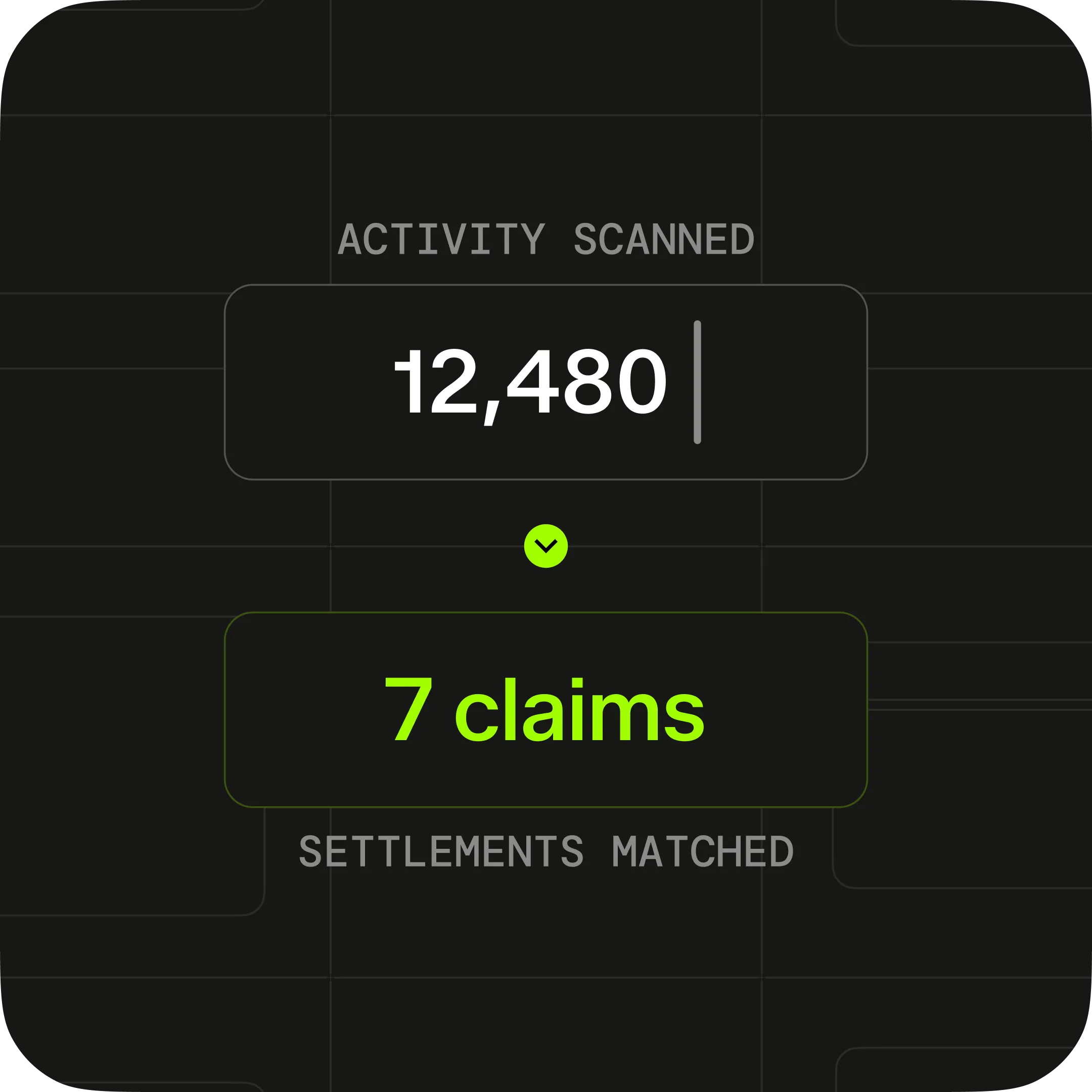
Finds claims automatically.
Connect your accounts with read-only access, and Bon Credit scans your activity to match you with class action settlements you may qualify for.
Step 2
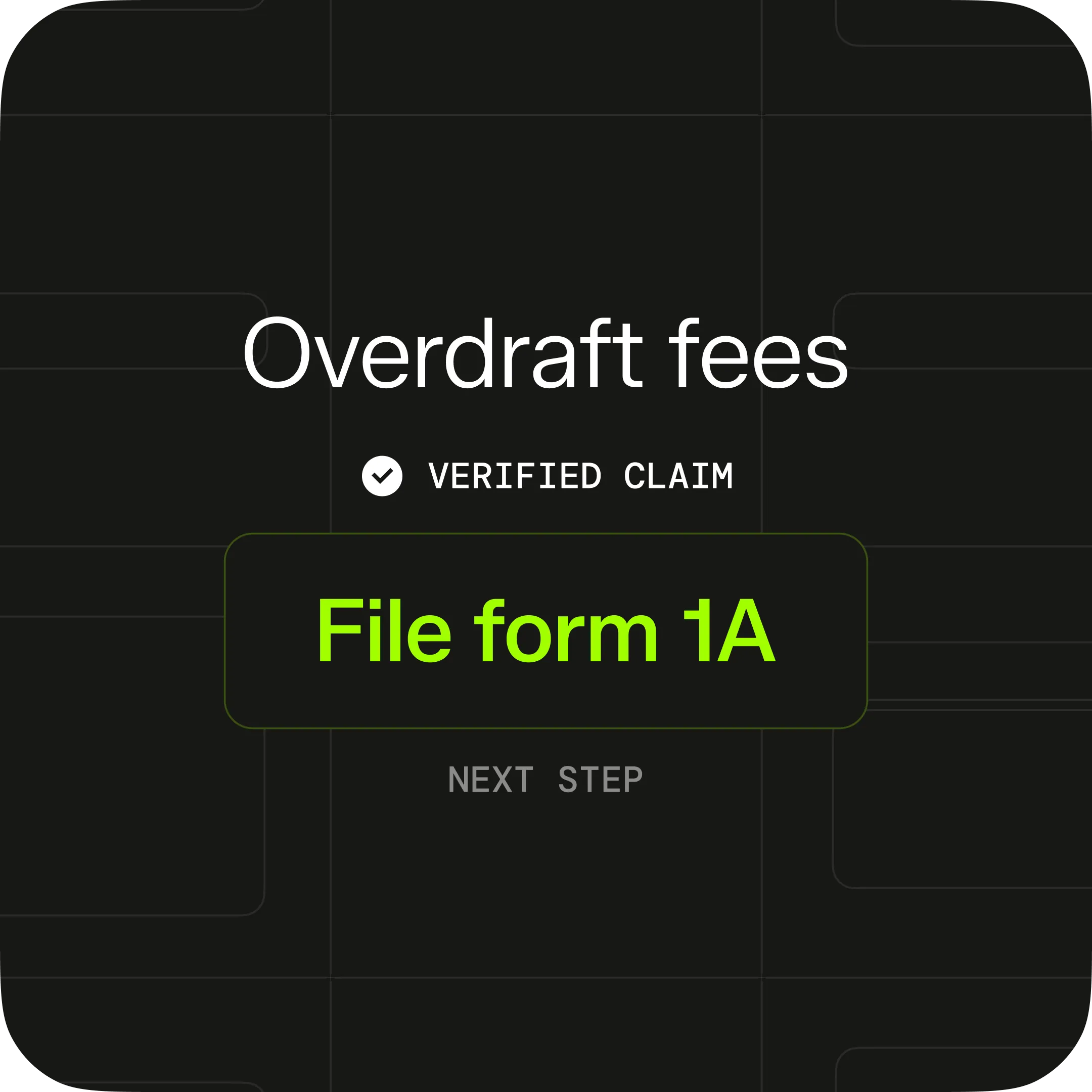
Shows you exactly what to do
For every match, you see the claim details and the next step, so you are never guessing whether a notice is real or which form to file.

Step 3
Helps you never miss a deadline
Bon Credit keeps track of the opportunities it finds, so time-sensitive claims do not slip past you.
Understanding your class action settlement documents
When a settlement involves you, you will usually run into a few key class action settlement documents. Knowing what each one means saves you a lot of confusion:
The notice
This is the email or postcard telling you a settlement exists and that you may be a class member. It is real, not spam, even though it looks like it.
The claim form.
This is what you fill out to request your payment. It asks for basic details and sometimes a short statement confirming you qualify.
The settlement agreement.
The full legal document with the terms, eligibility rules, payout amounts, and deadlines.
*You do not need to read every page of legal text. The claim form and the deadline are the two things that actually matter for getting paid. Bon Credit helps by flagging these opportunities so you are not relying on a postcard you might have already thrown away.*
How to know if you qualify
The honest answer is that most people qualify for more settlements than they realize, but finding them is the hard part. You would have to track legal news, check dozens of settlement websites, and match each one against your own purchase and account history. Almost nobody has time for that.
This is what Bon Credit does automatically. Our free AI Financial Assistant connects to your accounts with read-only access and scans for money you are owed, including class action claims that match your activity. Instead of hunting, you simply see a list of what you may be eligible for and what to do next. We never move or spend your money, and you decide which claims to act on.

How to claim and cash your settlement check
File your claim
Visit the official settlement site listed on your notice
Complete the claim form and confirm your eligibility
Choose how you want to be paid: PayPal, Venmo, prepaid card, or a mailed check
Cash your check
A settlement check is a normal check. Pay it in any way you like:
Deposit at your bank or credit union
Mobile deposit in your banking app
Use a check-cashing service

Let Bon Credit find your settlements for you
You should not have to become a part-time detective to collect money that is already yours. Bon Credit scans continuously, matches settlements to your real activity, and shows you exactly what to claim next. It is free to start, and seeing what we find costs nothing.
Download Bon Credit and find the money you are owed.